Flowers for Royal Festival Hall weddings in Waterloo
Posted on 14/10/2026
If you are planning Flowers for Royal Festival Hall weddings in Waterloo, you are probably balancing a few things at once: the venue's elegant setting, the pace of central London, and the simple fact that wedding flowers need to look good for the ceremony, photos, and the rest of the day. That is a lot for one arrangement to handle, frankly.
The Royal Festival Hall has a very particular kind of presence. It feels refined, open, and quietly iconic, so the flowers need to complement that atmosphere rather than fight it. Whether you want a soft, classic look or something modern and sculptural, the right floral choices can tie everything together beautifully. In this guide, we will walk through what matters, how it works, and how to make sensible choices that suit both the venue and the wedding itself.
One thing couples often notice only when they get into the details is this: wedding flowers are never just decoration. They shape the mood as people walk in, they show up in every photo, and they help the day feel intentional. And yes, sometimes they also rescue a room that is looking a bit too plain. It happens.
Expert summary: For Royal Festival Hall weddings, the best flower choices are usually the ones that balance elegance, reliability, and venue scale. Keep the design cohesive, the palette disciplined, and the logistics simple. You will thank yourself on the day.
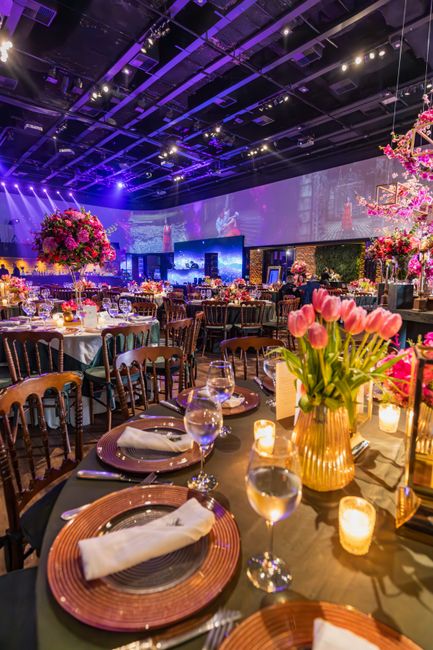
Why Flowers for Royal Festival Hall weddings in Waterloo Matters
Royal Festival Hall is not a generic blank space. It sits in one of London's most recognisable cultural settings, and that matters because the venue already brings its own visual language. Think clean lines, broad sightlines, and a sense of occasion. Flowers have to work with that architecture, not compete with it.
For a wedding in Waterloo, location matters too. Guests may be arriving by train, tube, taxi, or on foot across the South Bank, which means timing and presentation need a bit of thought. A bouquet that wilts in transit or table flowers that arrive late can unravel the whole look, and nobody wants that stress ten minutes before the ceremony. Truth be told, the best floral plans are the ones that feel calm behind the scenes.
There is also the photographic side. At a venue like this, natural-looking flowers with clean structure often read better in images than overly busy arrangements. You do not need to fill every corner. Sometimes one beautifully placed installation, one strong bridal bouquet, and a few coordinated details are enough to make the entire day feel polished.
Another reason this topic matters: the right flowers help bridge the gap between the formal and the personal. A venue can be impressive on its own, but flowers make it yours. That is the real job here.
How Flowers for Royal Festival Hall weddings in Waterloo Works
At a practical level, wedding flowers for this venue are usually planned around three layers: personal florals, ceremony florals, and reception or table styling. Each layer plays a different role, and the trick is to keep them visually related without making everything identical. That would be a bit much.
Personal florals
This includes the bridal bouquet, bridesmaid bouquets, buttonholes, corsages, and any smaller pieces for family members. These items carry the closest view, so texture, comfort, and proportion matter. A bouquet that looks lovely but feels heavy all afternoon can become a nuisance surprisingly quickly.
Ceremony florals
For the ceremony space, couples often look at aisle flowers, pedestal arrangements, pedestals, altar pieces, or a statement installation if the venue layout allows. Because the hall has a strong architectural setting, ceremony flowers often work best when they are elegant and measured rather than overly dense.
Reception and table flowers
Reception flowers can soften the room and create continuity between the ceremony and celebration. Depending on the setup, this may include table arrangements, low centerpieces, and coordinating florals for welcome areas or gift tables. If the room is already full of light and movement, low designs can be a smart choice because they keep conversation easy.
In many cases, the florist will also think about timing, delivery access, staging, and collection. These logistical details are not glamorous, but they matter a lot in a busy central London venue. A florist who understands the rhythm of a wedding day can save you more than a few headaches.
Key Benefits and Practical Advantages
Good wedding flowers do more than "look nice". That sounds obvious, but people still underestimate how much floral design affects the flow of the day. Here are the main benefits that matter for Royal Festival Hall weddings in Waterloo.
- They create visual cohesion. A well-chosen palette can connect outfits, table styling, the venue, and the overall mood.
- They suit the scale of the venue. Bigger spaces need confident florals; smaller details can disappear.
- They improve photography. Flowers add texture, colour, and softness to wide architectural backdrops.
- They signal care and intention. Guests notice when the floral choices feel deliberate, not random.
- They help define the season. Whether you want spring freshness, summer abundance, or winter richness, the flowers can carry that feeling.
- They support different budgets. Smart flower selection can achieve impact without overcomplication.
There is a practical side too. Choosing seasonal stems, limiting the number of flower varieties, and reusing ceremony pieces at the reception can make the whole plan more efficient. You do not need a giant flower wall to make the room feel special. Sometimes one elegant focal point is more effective, and a lot easier to manage.
For couples who want a refined but not fussy look, flowers can also soften the formality of the venue. That small touch of warmth changes everything. It just does.
Who This Is For and When It Makes Sense
This kind of floral planning makes sense for a wide range of couples, but especially for those who want a wedding that feels stylish, coherent, and grounded in the character of central London. If you are getting married at Royal Festival Hall and you care about how the venue looks in photos, flowers are probably high on your list already.
It is particularly useful if you are:
- planning a ceremony with a formal or semi-formal tone
- looking for a venue-appropriate design that feels contemporary rather than old-fashioned
- working with a tight schedule and need a florist who can deliver calmly and reliably
- wanting flowers that transition well from ceremony to reception
- trying to match outfits, table decor, and venue styling without overdoing it
It also makes sense for couples with mixed priorities. Maybe one of you wants classic white roses, and the other wants something a little more relaxed and colourful. That is normal. A good floral plan does not force you into one box; it finds a middle ground that feels right.
If you are unsure where to begin, start with the mood rather than the bloom names. Do you want airy and romantic? Bold and modern? Soft and understated? Once the mood is clear, the flower choices usually become much easier.
Step-by-Step Guidance
Here is a practical way to plan your wedding flowers without spiralling into thirty open browser tabs and a mild headache.
- Define the feel of the day. Think about the atmosphere first. Elegant, fresh, dramatic, minimal, timeless, playful - what should guests feel when they walk in?
- Look at the venue layout. Consider where flowers will actually be seen: entrance, ceremony space, aisle, signing table, dining area, and photo moments.
- Choose a focused palette. Two or three main colours, plus a neutral base, is often enough. White and green is classic. Blush, cream, and soft apricot can feel romantic. Deep red or plum adds drama.
- Select the key floral roles. Start with the bridal bouquet, bridesmaid bouquets, buttonholes, and table flowers. Add ceremony pieces only if they genuinely add value.
- Match flower scale to the venue. Royal Festival Hall can handle strong shapes and clean structure. Very tiny arrangements may vanish.
- Decide what can be reused. Ceremony arrangements can often move to the reception. That is one of the simplest ways to improve value.
- Check practicalities early. Delivery window, loading access, setup timing, and collection all matter. Central London timing can be, well, central London timing.
- Confirm freshness and care. Ask how stems will be conditioned, transported, and kept looking good through the day.
- Review mock-ups or references. Photos, sketches, or sample stems can help everyone stay aligned. It removes guesswork.
- Finalise one week ahead if possible. Last-minute changes are sometimes unavoidable, but the fewer moving parts, the better.
If you are working through this with a florist, keep the conversation practical. "What will photograph well in this room?" is often a more useful question than "Can we add more flowers?" The answer, by the way, is not always yes.
Expert Tips for Better Results
After planning wedding florals for venues with strong character, a few patterns show up again and again. The couples who get the best results usually make simple decisions early and leave less room for stress later.
Keep the palette disciplined
Too many colours can make a refined venue feel busy. A restrained palette tends to look calmer, especially in a space with architectural detail and movement in the background.
Use texture to add interest
You do not need lots of colour to create depth. Mixing roses, lisianthus, orchids, hydrangeas, alstroemeria, or seasonal foliage can produce a rich look without shouting.
Think about the guest experience
Low arrangements make conversation easier at tables. Fragrance should be considered too, particularly if the room is enclosed or the guest list includes sensitive noses. A strong scent can be lovely, but not if it dominates the room.
Choose flowers that suit the season
Seasonal flowers are often the more practical choice because they are typically easier to source and tend to look more natural for the time of year. A spring wedding might lean into tulips and soft pastels, while autumn can handle warmer tones and richer textures.
Prioritise the pieces people will notice most
The bouquet, ceremony focal point, and table flowers usually matter more than extra items no one really remembers. That is the honest truth.
And here is a small one: if the design already feels finished, stop. Over-accessorising flowers is a bit like adding one more throw pillow to a sofa that already has six. Someone has to say it.
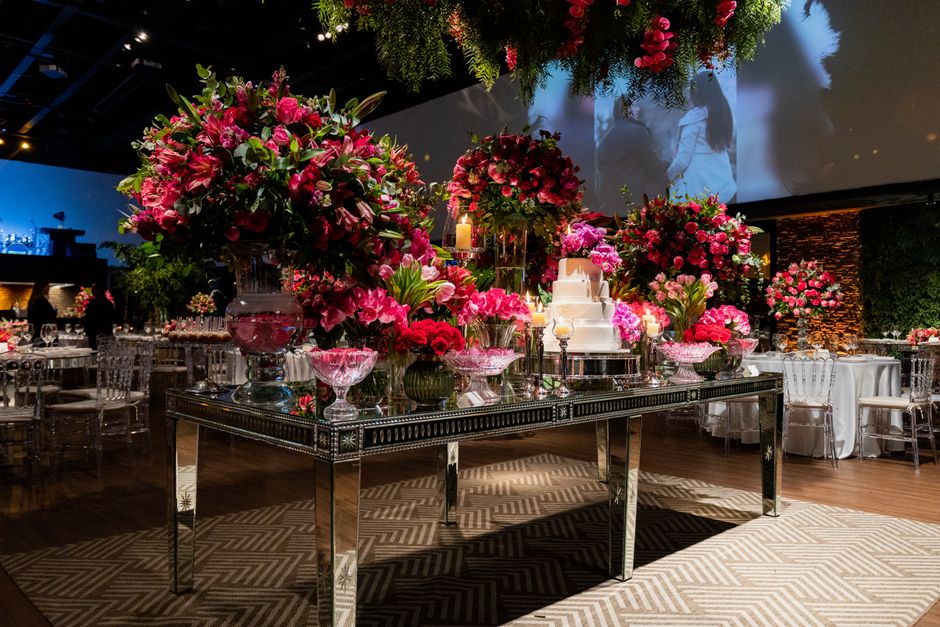
Common Mistakes to Avoid
Wedding flowers are easy to get wrong in ways that are subtle at first and obvious later. The good news is that most of the common mistakes are avoidable if you know what to look for.
- Ignoring the venue scale. Tiny arrangements can disappear in a big room. Oversized arrangements can crowd a smaller setup.
- Picking too many competing colours. The result can feel busy rather than luxurious.
- Forgetting transport and timing. Flowers are living products, and they do not enjoy sitting in a warm car for no reason.
- Choosing blooms purely from photos. Availability, season, and overall fit matter just as much as appearance.
- Skipping the practical questions. Ask how the flowers will be delivered, conditioned, and set up.
- Leaving buttonholes and corsages as an afterthought. Small items still need to match the overall look.
- Overfilling the budget with low-impact extras. Focus on the areas guests will actually see.
A very real mistake is assuming the florist can "just figure it out" on the day. Experienced florists can adapt, certainly, but good results usually start with clear instructions and a sensible plan. A little structure goes a long way.
Tools, Resources and Recommendations
You do not need a complicated setup to plan wedding flowers well. A few simple tools and habits make the process much easier.
- A mood board. This can be a folder of images, fabric swatches, invitation designs, or colour ideas.
- Venue photos. Bring images of the actual room if you have them, including wide shots and close-ups.
- Outfit references. Share dress, suit, or accessory colours so the flowers sit comfortably alongside them.
- Guest count and table plan. This helps determine how many arrangements are really needed.
- A simple priority list. Mark what is essential, what is optional, and what can be adjusted if needed.
For product direction, it can help to browse focused wedding collections rather than trying to compare everything at once. For example, the weddings collection is a useful place to start if you want a broad overview, while the bridal bouquets selection helps narrow the conversation to the most important bouquet style.
If you are planning matching pieces, you may also want to look at the bridesmaid bouquets, buttonholes, table arrangements, and corsages. That kind of joined-up thinking makes the final result feel considered rather than piecemeal.
If you want a more distinctive tone, a collection like Royal Essence Wedding Collection or White Wonders Wedding Collection can help you settle on a style direction. For couples who want something softer and romantic, Pure Romance Wedding Collection may be a better fit.
And if your priority is simply making the planning process less stressful, that is fair enough too. A florist's role is not just to supply flowers, but to remove friction.
Law, Compliance, Standards, or Best Practice
For wedding flowers, the compliance side is usually less about legal complexity and more about good business practice, venue coordination, and care with handling. Still, there are a few things worth keeping in mind.
First, check the venue's own delivery and setup rules. Large venues often have preferred access routes, timing windows, and loading expectations. That is normal for central London buildings, especially busy ones with multiple events or public access. If florals arrive without coordination, things can get messy fast.
Second, ask about insurance and responsibility for setup and collection. You want clarity on who places the arrangements, who moves them, and who removes them afterwards. No one wants an awkward "was that ours or theirs?" moment at the end of the evening.
Third, if you are using candles, hanging pieces, or larger installations, make sure the venue and supplier have agreed what is allowed. Fire safety and display rules can vary by venue and must be respected. Better to check early than to be told no on the day, which is about as fun as it sounds.
From a quality standpoint, reliable florists should be able to explain freshness handling, substitution policies, delivery timing, and what happens if a specific stem is unavailable. Seasonal variation is normal in the floral trade, so the best approach is usually to agree the style and standard rather than demanding a rigid stem-for-stem promise.
If sustainability matters to you, ask how flowers are sourced, conditioned, reused, or disposed of. You may also want to review the florist's sustainability approach and the practical delivery details on the delivery page. That kind of transparency is a good sign.
Options, Methods, or Comparison Table
Not every wedding needs the same floral setup. Here is a simple comparison of common approaches for Royal Festival Hall weddings in Waterloo.
| Option | Best for | Strengths | Watch-outs |
|---|---|---|---|
| Minimal elegant styling | Couples who want a clean, modern look | Easy to manage, refined, often budget-friendly | Can feel sparse if the venue styling is very plain |
| Classic romantic flowers | Timeless weddings with soft colour and texture | Photographs beautifully, suits many dress styles | Can become generic if the palette is too safe |
| Statement ceremony florals | Couples who want a strong focal point | Creates impact and strong images | Usually needs more planning and budget |
| Seasonal mixed styling | Weddings that want personality and warmth | Natural, lively, often feels less staged | Needs a florist with a good eye for balance |
In practice, many couples end up blending two approaches. A ceremony might be kept elegant and minimal, while the reception flowers bring more texture or colour. That combination often works very well in a venue like this because it gives structure without feeling stiff.
If budget is a major factor, focusing on a few high-visibility elements can be the smartest route. A beautiful bouquet, smart table flowers, and well-chosen buttonholes will usually do more for the day than spreading the budget too thin.
Case Study or Real-World Example
Imagine a couple planning a late-afternoon wedding at Royal Festival Hall in early autumn. They want the room to feel elegant but relaxed, with enough colour to keep the setting warm against the river light coming through the windows. They are not after an elaborate theme. Just something lovely, and honest.
They start with a white and soft blush palette, then add muted greenery and a few richer accent stems so the flowers do not disappear in the architecture. The bride chooses a bouquet with roses and textured supporting blooms, the bridesmaids carry smaller versions, and the buttonholes are kept simple. For the tables, low arrangements are used so guests can talk across them comfortably.
What worked well in this scenario was not extravagance. It was restraint. The venue did the heavy lifting, and the flowers gave it warmth. The ceremony flowers were later repurposed at the reception entrance, which made the whole design feel more complete without adding unnecessary cost or waste.
There was also a small but important practical win: the florist scheduled delivery early enough to avoid the usual Waterloo rush. That may sound boring. It is boring. But boring can be beautiful on a wedding day, especially when the flowers are already doing the glamorous bit.
The couple later said the flowers felt "right" in the room. That is the best compliment in this setting, because "right" means they matched the venue, the people, and the mood without trying too hard.
Practical Checklist
Use this before you confirm your wedding flowers for Royal Festival Hall.
- Have you defined the overall mood of the day?
- Have you reviewed the venue layout and the key floral moments?
- Do you know your main colour palette?
- Have you chosen the highest-priority items first: bouquet, buttonholes, ceremony flowers, tables?
- Have you checked delivery timing and access details?
- Do you know whether arrangements can be reused between ceremony and reception?
- Have you confirmed any venue restrictions on installations, candles, or staging?
- Have you asked how substitutions are handled if a stem is unavailable?
- Have you considered seasonal availability rather than forcing out-of-season flowers?
- Have you allowed room in the budget for practical setup and collection?
- Have you shared outfit colours and table plans with the florist?
- Have you agreed what happens to the flowers after the event?
If you can tick most of these off, you are in very good shape. Not perfect, maybe. But weddings do not need perfect. They need prepared, calm, and a little bit flexible.
Conclusion
Flowers for Royal Festival Hall weddings in Waterloo work best when they respect the venue, support the schedule, and reflect the couple's style without becoming overcomplicated. That is the heart of it. Elegant doesn't have to mean plain, and memorable does not have to mean loud.
Focus on the floral pieces that matter most, keep the palette cohesive, and make sure logistics are handled properly. If you do that, the flowers will do what they are supposed to do: lift the room, frame the moments, and make the day feel beautifully considered from the first look to the final photo.
Get a free quote today and see how much you can save.
And if you are still weighing up what style suits the venue best, take a breath. The right flowers have a way of finding their place. They really do.
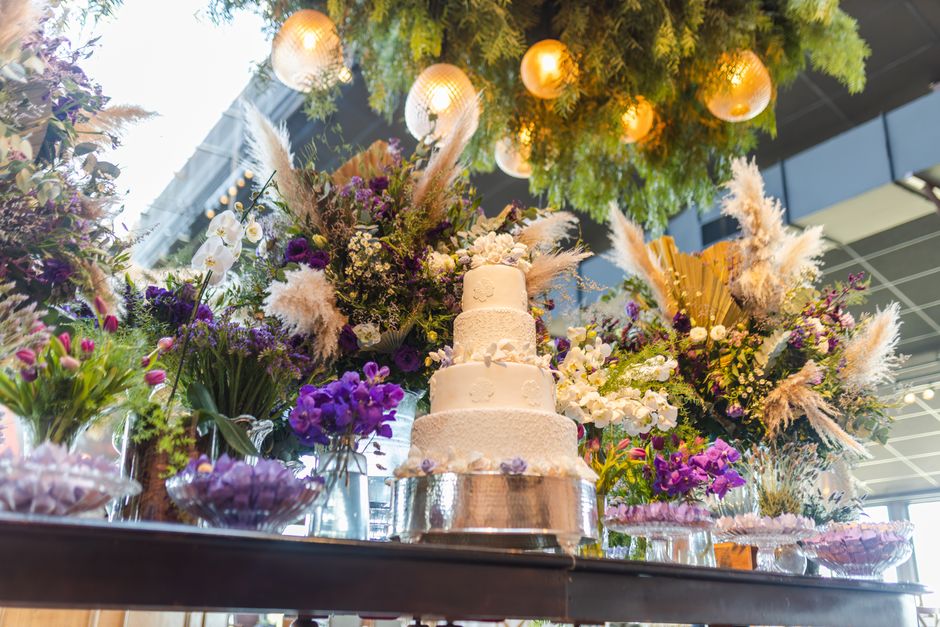
Frequently Asked Questions
What flowers work best for Royal Festival Hall weddings in Waterloo?
Flowers that suit the venue's scale and architecture tend to work best. White roses, lisianthus, orchids, hydrangeas, and refined mixed seasonal arrangements are popular choices because they feel elegant without overpowering the space.
Should wedding flowers at Royal Festival Hall be bold or understated?
Both can work, but the best choice depends on your overall wedding style. Understated flowers suit a clean, modern look, while bolder designs can create strong focal points. The key is balance; too much variety can make the room feel busy.
How far in advance should I arrange flowers for a wedding in Waterloo?
It is sensible to begin planning several months ahead, especially if you want a specific style or seasonal blooms. Final details are usually confirmed closer to the date, but access, delivery, and setup should be discussed early.
Can ceremony flowers be reused at the reception?
Yes, often they can. Reusing ceremony arrangements is one of the smartest ways to get more value from your floral budget. It also helps the day feel cohesive from one part of the event to the next.
What colours suit Royal Festival Hall weddings?
White, green, blush, ivory, and soft pastel tones usually work very well. That said, deeper colours can also look striking if you want a more dramatic feel. It depends on the mood you want the venue to carry.
Are scented flowers a good idea for a wedding venue like this?
Sometimes yes, but lightly scented flowers are usually safer than very strong ones. In a shared indoor space, subtle fragrance is often better because it complements the atmosphere without becoming overwhelming.
How many flowers do I need for a Royal Festival Hall wedding?
There is no fixed number because it depends on the room layout, guest count, and whether you want ceremony installations, table flowers, or both. A florist can help you prioritise the most visible areas so you do not overbuy.
What should I tell the florist before booking?
Share the venue name, event time, colour palette, guest count, outfit references, and any style preferences. It also helps to mention whether you want classic, modern, romantic, or seasonal flowers. The clearer the brief, the easier the planning.
Can I get wedding flowers delivered in Waterloo on the day?
In many cases, yes, provided the florist is familiar with the area and the venue timing. For a central London wedding, delivery planning is especially important because traffic and loading access can affect schedules.
What if a specific flower is unavailable near the wedding date?
Seasonal substitutions are a normal part of floristry. A good florist will offer alternatives that suit the agreed style, colour palette, and overall feel. It is usually better to agree the look than to lock yourself into one exact stem.
How can I keep flower costs under control without losing impact?
Focus on a few high-visibility pieces, choose seasonal blooms, reuse ceremony flowers, and keep the palette focused. That approach usually gives you the strongest visual result for your money without making the day feel stripped back.
Do I need different flowers for bridesmaids, buttonholes, and table arrangements?
Not different in a dramatic sense, but they should coordinate. Smaller versions of the bouquet palette usually work well. It helps the whole wedding feel intentional rather than assembled from separate ideas.
What is the best first step if I feel overwhelmed?
Start with the mood of the day, not the flower names. Decide whether you want soft, classic, modern, romantic, or bold. Once that is clear, the rest becomes much easier, honestly. A little direction goes a long way.


